

 en
 English
 русский
 Español
 عربى

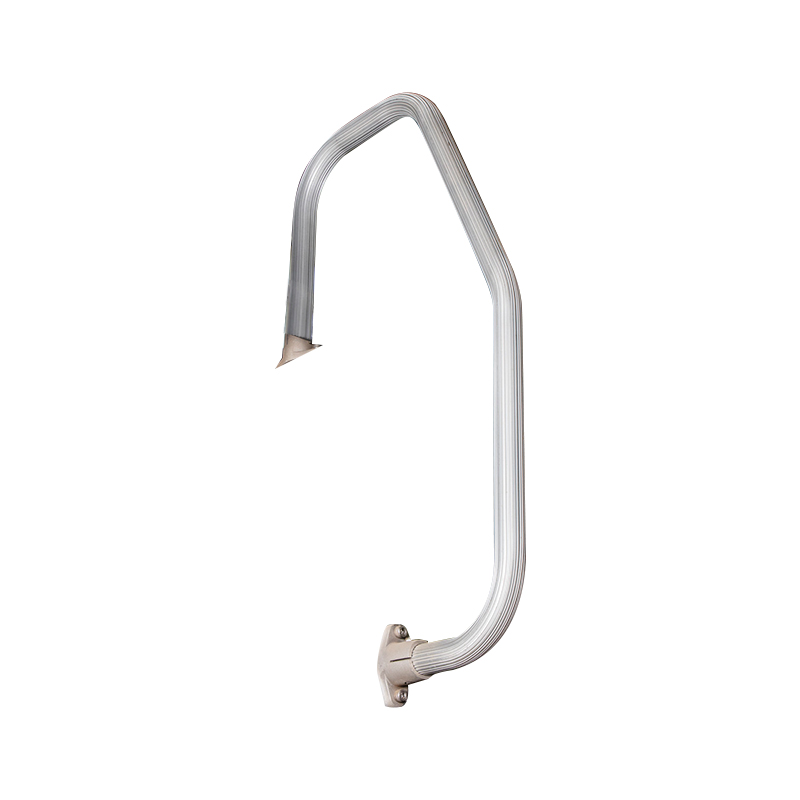
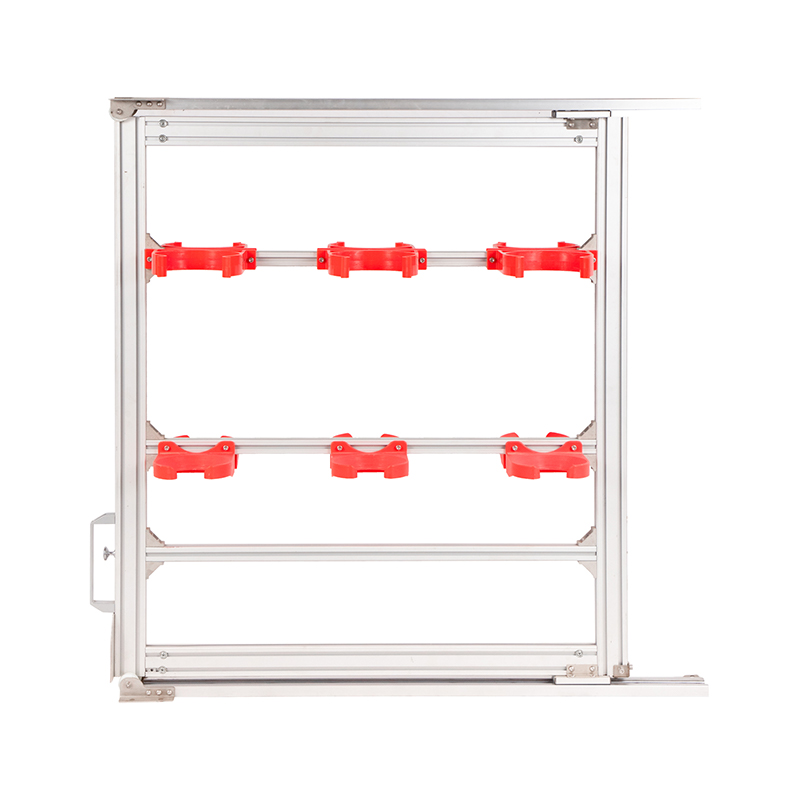
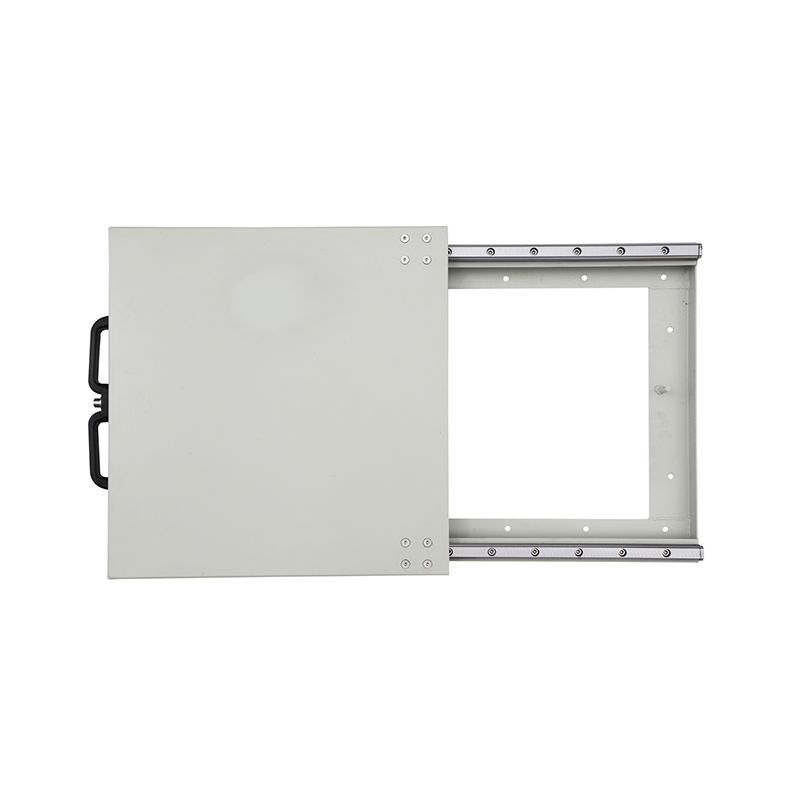
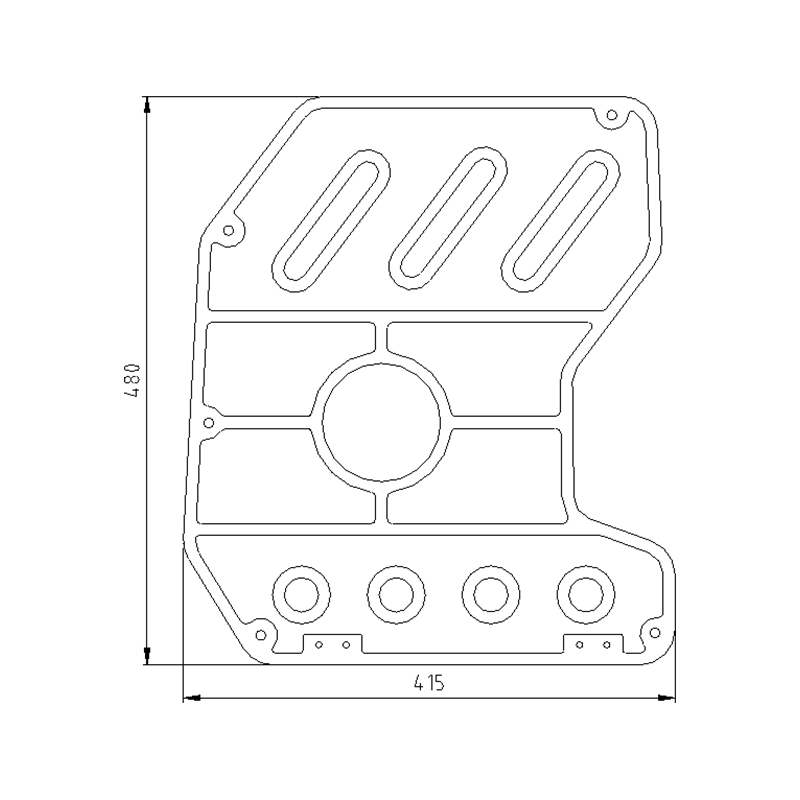
Three rungs up the rear of a pumper, a firefighter in wet gloves misses the grab and catches the handrail instead. Whether that rail holds was decided months earlier, at the bench: by tube wall thick...
READ MORE
Fire Truck Rotating Tray: A High-Capacity, Flexible Storage Solution for Emergency Vehicles
2026.10.01
Content
- 1 Why Rotating Storage Matters on Fire Apparatus
- 2 Product Overview
- 3 Key Advantages Compared with Basic Fixed Storage Trays
- 4 Engineering Features in Detail
- 5 Materials, Surface Treatment, and Durability
- 6 Manufacturing Strengths and Quality Management
- 7 Customization for OEM and ODM Projects
- 8 Installation and Integration Considerations
- 9 Operation and Maintenance
- 10 Typical Applications
- 11 Product Information Summary
- 12 Advantages for Fire Departments and Vehicle Builders
- 13 Research, Development, and Customer Support
- 14 Frequently Asked Questions
- 14.1 What is a fire truck rotating tray?
- 14.2 What rotation angles are available?
- 14.3 How much weight can the fixed base support?
- 14.4 Can the mounting panel be customized?
- 14.5 Can the product include shovel boxes?
- 14.6 What materials are used in the tray?
- 14.7 What makes the tray different from a basic fixed shelf?
- 14.8 Is the rotating tray suitable for OEM and ODM projects?
- 14.9 How should the tray be maintained?
- 14.10 What information should be provided for a quotation or custom design?
- 15 Conclusion
- 16 References
- 17 Product: Fire Truck Rotating Tray
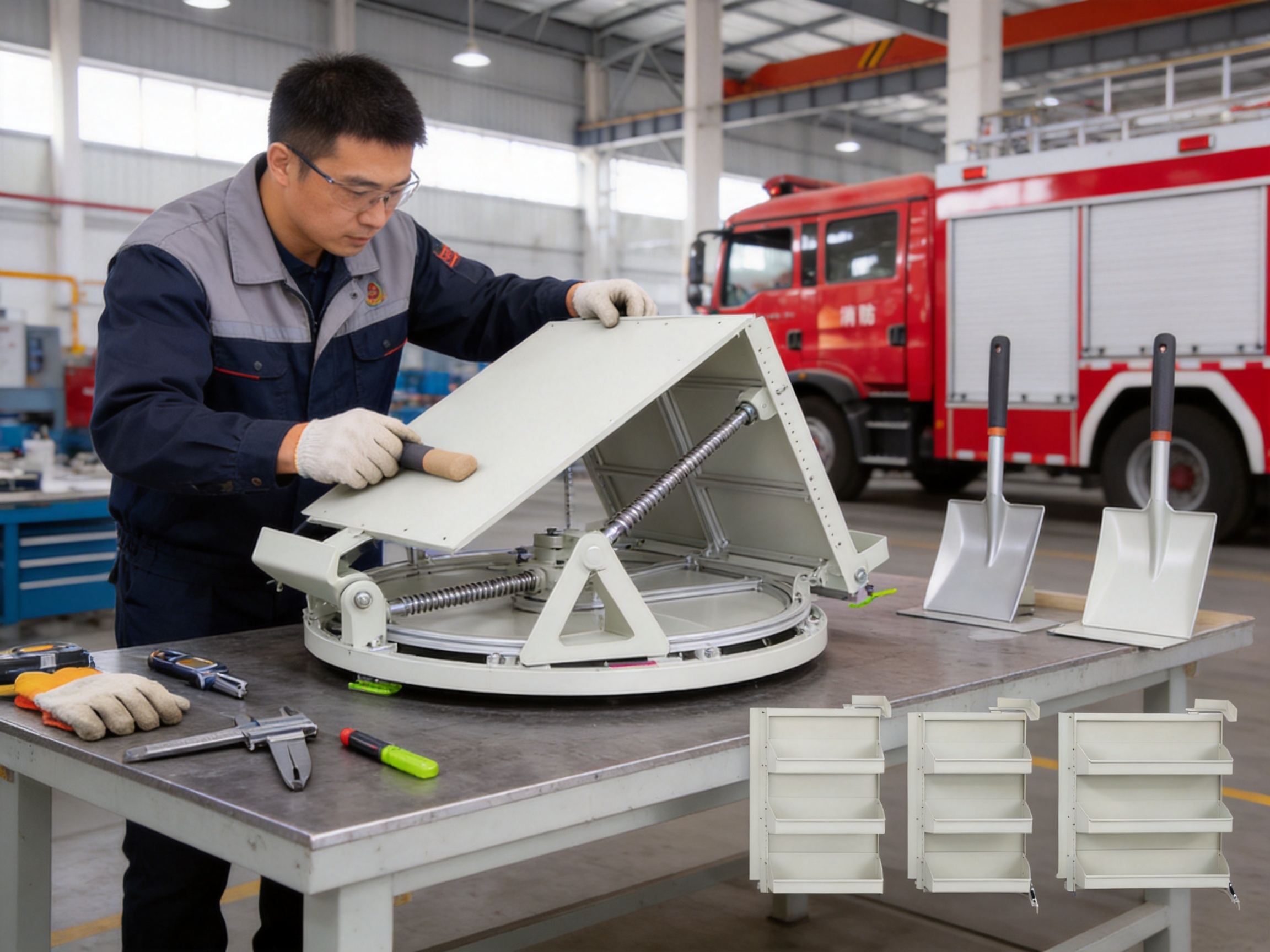
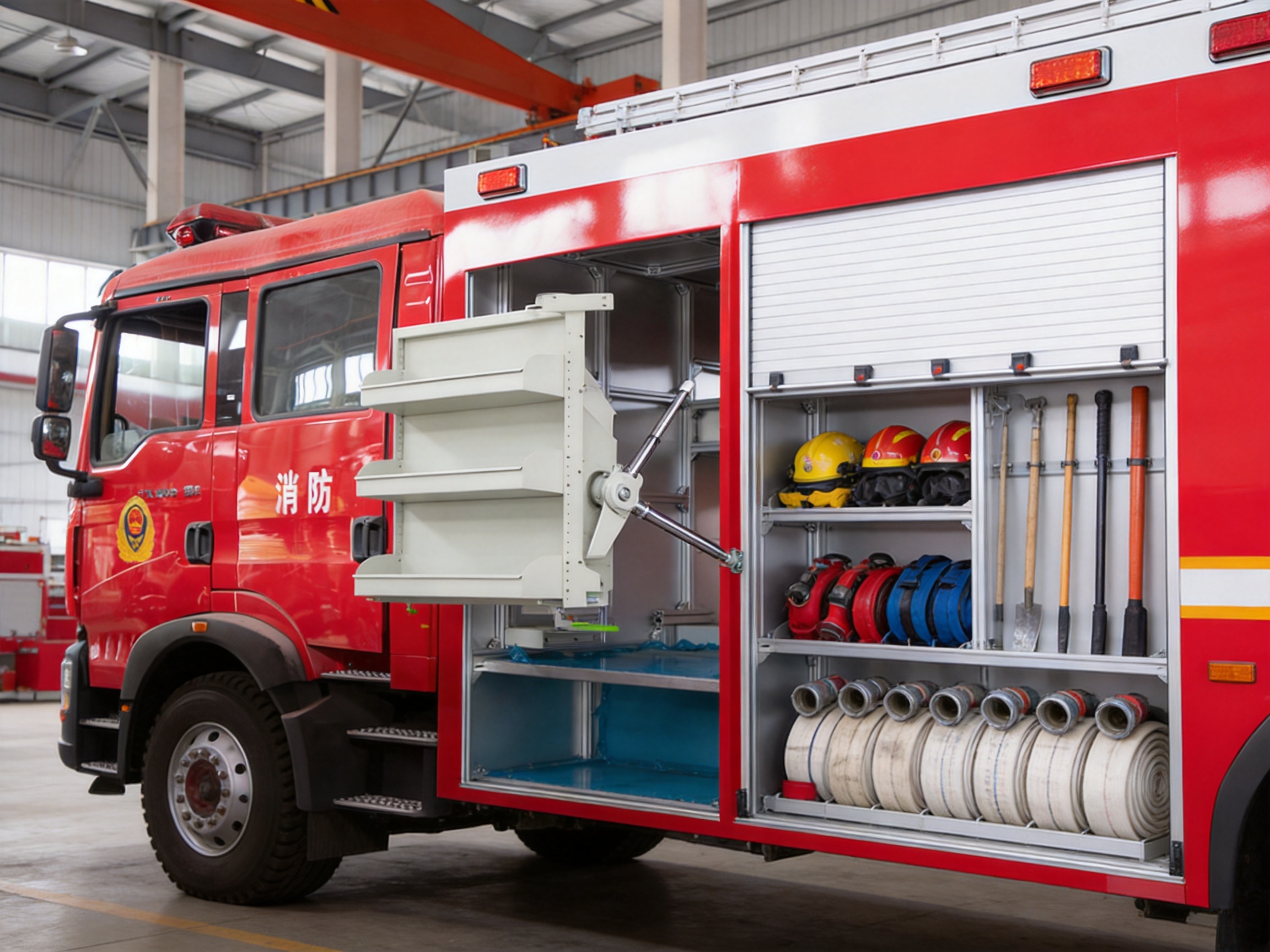
Fire and rescue vehicles must carry a large quantity of tools in a limited amount of space. Every item needs to be protected, organized, accessible, and securely retained while the vehicle is moving. Traditional fixed shelves and ordinary storage platforms can hold equipment, but they may force firefighters to reach deeply into a compartment, work around neighboring tools, or remove several items before locating the one they need. A properly engineered rotating tray addresses these problems by bringing stored equipment outward and into a more convenient working position.
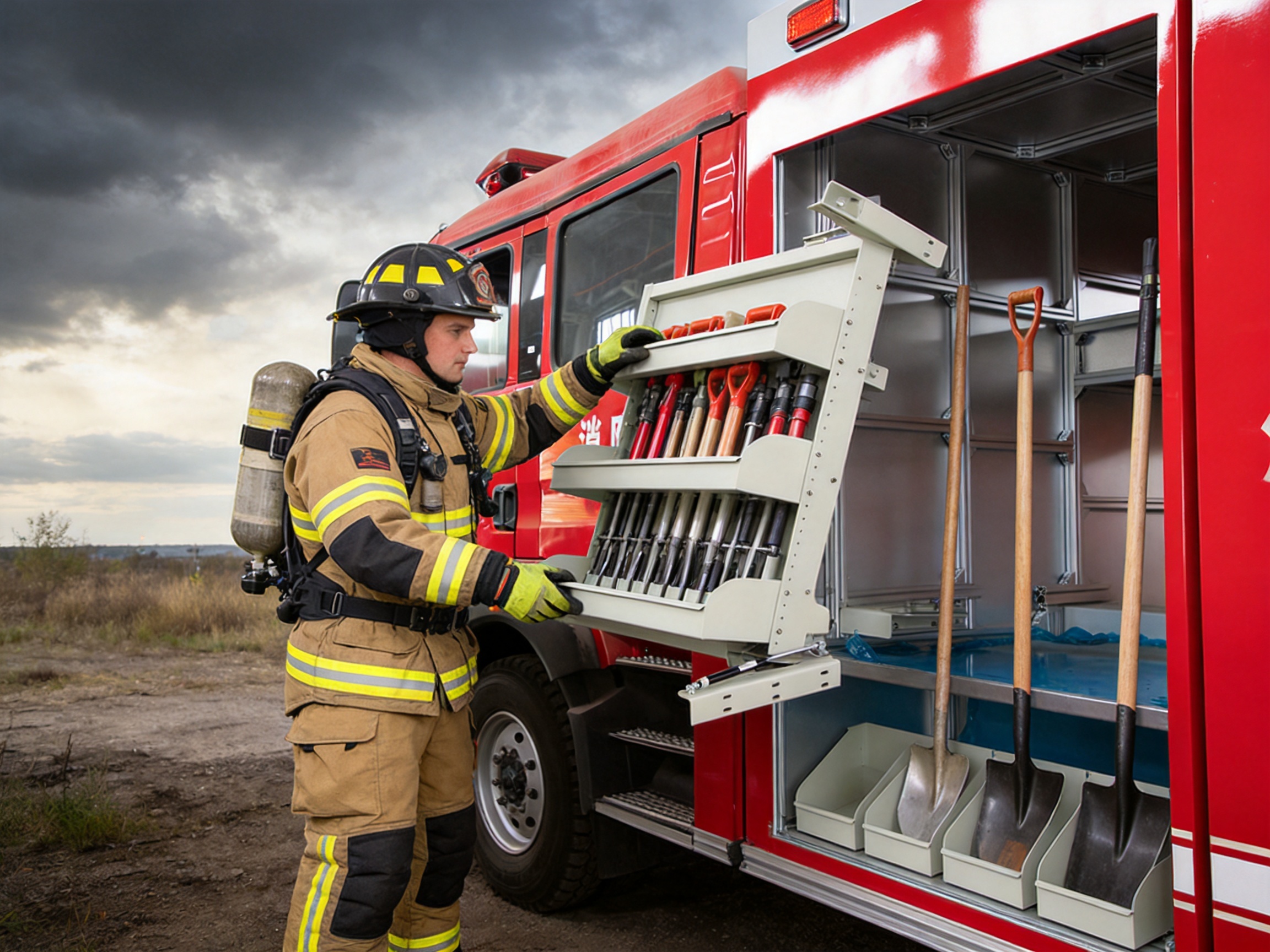
The fire truck rotating tray is designed for fire apparatus equipment stowage and mounting systems. It combines a compact fixed base, a two-stage rotating bracket, a customizable mounting panel, gas-assisted movement, and a secure locking structure. With selectable rotation of 90 or 115 degrees, the tray can improve access to tools installed inside side compartments, rear compartments, or other restricted storage areas. Its design is suitable for fire engines, rescue vehicles, municipal emergency vehicles, industrial response units, and other specialty vehicles that require efficient equipment organization.
This product is manufactured by Tianchang Jinlv Fire Equipment Co., Ltd., a professional supplier of fire truck equipment, rescue components, roller shutters, ladders, mounting systems, and related accessories. Established in 2010, the company has developed extensive experience in fire protection accessories and supports OEM and ODM projects for customers with different vehicle structures and equipment requirements.
Why Rotating Storage Matters on Fire Apparatus
Firefighters often operate in difficult conditions, including darkness, smoke, rain, heat, uneven ground, and time-critical incidents. Equipment storage cannot be treated as a simple cargo problem. The layout must support fast recognition, controlled removal, safe replacement, and reliable retention during vehicle travel. A well-designed storage system can directly influence operational efficiency and reduce unnecessary movement around the apparatus.
A fixed storage panel usually provides a stable mounting surface, but it may have limited accessibility. If tools are positioned at the back of a deep compartment, an operator may need to lean into the compartment or reach past other equipment. This can be inconvenient when the operator is wearing protective clothing, gloves, or breathing apparatus. It can also make equipment identification more difficult when several tools have similar shapes or are densely arranged.
A rotating tray helps solve this challenge by allowing the storage panel to move outward. Once released, the bracket rotates the equipment toward the operator, creating a more accessible presentation angle. This arrangement can reduce reaching distance, improve visibility, and make it easier to check whether tools are present and correctly secured. After use, the tray can be returned to its original position and locked for transportation.
The benefit is especially important for equipment that is frequently accessed, such as hand tools, nozzles, hose accessories, breathing apparatus components, portable pumps, rescue tools, and other response equipment. Instead of treating the vehicle compartment as a deep cabinet, the rotating tray turns it into a more organized and interactive equipment station.
Product Overview
The fire truck rotating tray features a two-stage rotating bracket with selectable movement of 90 degrees or 115 degrees. The two angle options allow the system to be adapted to different compartment depths, door openings, body structures, and access requirements. A 90-degree configuration can be appropriate when the compartment has limited surrounding clearance, while a 115-degree configuration can provide a wider outward presentation when the vehicle layout permits it.
The mounting panel can be freely combined with the bracket according to customer requirements. This modular approach allows the tray to be configured for different tools, containers, holders, and equipment layouts. Rather than forcing every customer to use the same fixed arrangement, the system can be integrated into a vehicle-specific storage plan.
Optional shovel boxes can also be customized according to the required size, quantity, and spacing. This feature is valuable for fire departments and vehicle manufacturers that need to store shovels, axes, pry tools, handles, or other long and narrow equipment in a predictable position. Custom shovel boxes may help prevent tools from shifting, contacting one another, or obstructing adjacent equipment.
Large-diameter stop pins provide stable operation and contribute to a secure locking mechanism. The stop pins help control the tray at its intended operating positions and reduce unwanted movement during use. In a mobile emergency vehicle, positive positioning is important because acceleration, braking, vibration, and road impact can place stress on storage mechanisms.
The triangular crank design supports smooth operation, high thrust, and long service life. The crank geometry is intended to transfer operating force efficiently, allowing the user to move the tray with controlled effort. It also supports a compact mechanism that can be integrated into the limited space available inside a fire truck compartment.
The fixed base is made from high-strength material and has a compact structure. It supports a load of up to 120 kilograms, subject to correct installation, suitable load distribution, and the final vehicle application. This capacity makes the tray suitable for many types of fire and rescue equipment while retaining a space-conscious form.
Stainless steel gas springs assist movement and help the tray operate smoothly at different angles. Gas assistance can reduce the effort required to extend or return the tray, while also helping control movement. The handle includes a silicone protective cover, which improves grip comfort and creates a protective interface for frequent operation.
The main bracket is treated with powder-coated carbon steel. The mounting panel is made from powder-coated aluminum plate, while fasteners and core operating mechanisms are made from 304 stainless steel. This combination balances structural strength, corrosion resistance, weight control, and surface protection.
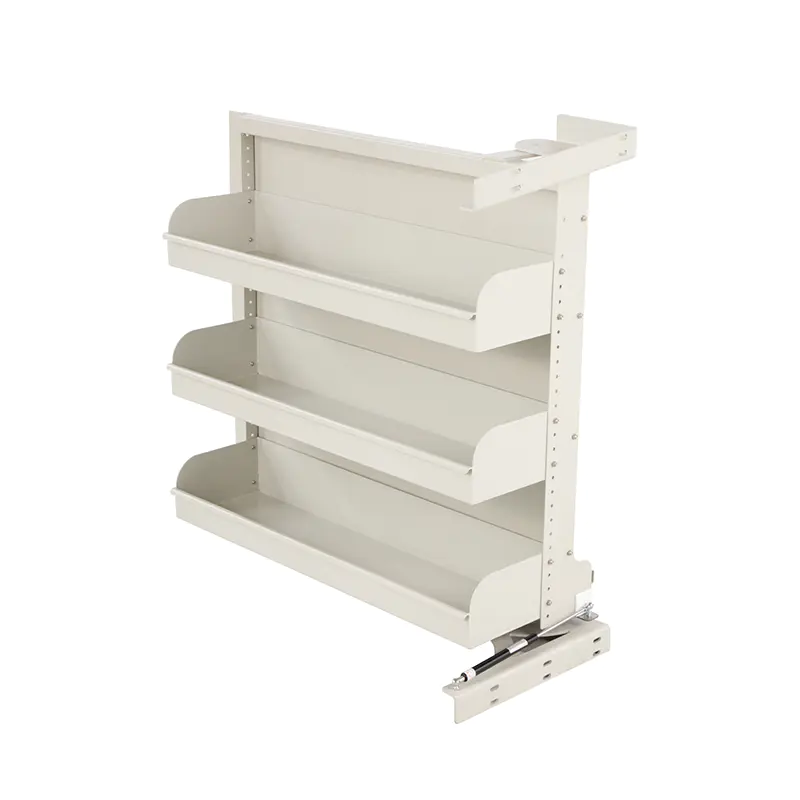
Fire Truck Rotating Tray
Key Advantages Compared with Basic Fixed Storage Trays
Improved Equipment Accessibility
The most direct advantage of a rotating tray is improved access. With a fixed platform, the user must approach equipment from the front of the compartment and may have difficulty reaching items placed toward the rear. The rotating bracket brings the mounted panel outward, allowing tools to be viewed and handled from a more open position.
Better access may help reduce the time needed to identify and retrieve equipment. It can also reduce awkward body positions, especially when the user is wearing heavy protective clothing or carrying other equipment. In emergency operations, a few seconds saved during repeated equipment retrieval can contribute to smoother team coordination.
More Efficient Use of Compartment Depth
Vehicle compartments are often deep because manufacturers must maximize available storage volume. However, depth can become a disadvantage when the equipment at the back is difficult to reach. A rotating tray uses the depth of the compartment while maintaining a practical access path.
The tray can be installed so that the stored equipment occupies otherwise difficult-to-use areas. When access is required, the panel rotates outward. When the task is complete, it returns inside the compartment, preserving the vehicle’s external profile and keeping equipment protected.
Flexible Configuration
Many basic trays are designed around a standard shape or fixed hole pattern. Such systems may require the customer to adapt equipment to the tray instead of adapting the tray to the equipment. The rotating tray offers a more flexible mounting panel that can be combined with the bracket according to the customer’s requirements.
This flexibility supports different tool sizes, mounting distances, container arrangements, and compartment layouts. It is also helpful for vehicle manufacturers that build multiple apparatus models with different body dimensions. A customizable platform can reduce the need for completely different mechanisms for each vehicle project.
Controlled Motion and Secure Positioning
A storage tray must not swing freely or move unpredictably. Uncontrolled movement can damage tools, place stress on fasteners, and create a safety risk for operators. The large-diameter stop pins, rotating bracket, crank, and stainless steel gas springs work together to provide controlled motion.
The two-stage rotation options establish clear operating positions. The stop pins help maintain stability at the intended angle, while the gas springs support smoother movement. This is a more complete approach than using a simple hinge or an unsupported pull-out platform.
High Load Support in a Compact Structure
The fixed base supports up to 120 kilograms and is designed with a compact structure. High load capacity is valuable for departments that need to install multiple tools on one panel or use the tray for heavier rescue equipment. At the same time, a compact mechanism helps preserve valuable compartment space.
Load capacity should always be evaluated together with the actual installation structure, fastener selection, equipment distribution, vehicle vibration, and operating conditions. When correctly integrated, the tray provides a strong foundation for organized emergency equipment storage.
Materials Selected for Fire Vehicle Use
Fire apparatus equipment may encounter moisture, road salt, mud, cleaning chemicals, temperature variation, and repeated handling. The material combination used in this rotating tray is selected to address these conditions. Powder-coated carbon steel provides structural strength and a protective finish for the main bracket. Powder-coated aluminum reduces panel weight while maintaining a practical mounting surface.
304 stainless steel is used for fasteners and core operating mechanisms. Stainless steel is widely used in equipment exposed to demanding environments because it offers useful corrosion resistance and maintains reliable mechanical performance when properly designed and maintained. The use of a silicone cover on the handle further improves the operator interface.
Engineering Features in Detail
Two-Stage Rotation
The 90-degree and 115-degree rotation options allow the tray to match different fire truck compartment designs. The selected angle affects how far the mounting panel moves beyond the compartment and how much access is available around the stored equipment.
A 90-degree rotation may be useful when the side of the vehicle has nearby doors, body panels, equipment, or narrow working clearance. The 115-degree option can provide a broader outward angle for installations that require more open access. During vehicle design, engineers should confirm the door swing, neighboring compartments, operator standing area, and clearance from the ground or surrounding structures.
Modular Mounting Panel
The mounting panel can be freely combined with the bracket based on the customer’s requirements. This means the mechanism and the equipment-holding surface can be considered as two related but adaptable parts. The panel may be prepared for specific holders, boxes, brackets, straps, or tool retention solutions.
A modular panel is particularly useful in OEM and ODM projects. A vehicle builder may provide drawings or equipment lists, after which the mounting arrangement can be developed to suit the available compartment. The customer can also specify the number and position of optional shovel boxes to create a more systematic tool layout.
Custom Shovel Box Arrangements
Shovels and similar tools can be difficult to organize because they are long, narrow, and often have handles that extend beyond the main tool body. Optional shovel boxes help create defined storage locations. The size, quantity, and spacing can be customized to meet the customer’s requirements.
Custom spacing can prevent interference between tool handles and provide enough room for gloved operation. It can also support visual organization, making it easier for a crew member to recognize where each tool belongs. A consistent return location improves readiness checks and helps reduce the chance that equipment will be left unsecured after use.
Large-Diameter Stop Pins
Stop pins are important load-bearing and positioning components in a rotating mechanism. Large-diameter pins can provide a robust contact area and help resist repeated operational forces. In the fire truck rotating tray, they contribute to stable operation and a secure locking mechanism.
The locking function should be understood as part of the complete bracket system. Correct installation, proper alignment, regular inspection, and appropriate loading remain important. The stop pins are designed to support dependable positioning, but they should not be used as a substitute for following the recommended operating procedure.
Triangular Crank Mechanism
The triangular crank design is intended to combine smooth operation with high thrust. Its geometry supports the transfer of manual force through the mechanism, helping the user extend or return the tray without excessive effort. The design also contributes to compactness, which is essential in a vehicle compartment.
Repeated operation can place stress on pivots, fasteners, joints, and contact surfaces. A crank with an efficient force path can help reduce unnecessary mechanical strain. Long service life depends on the full system, including material quality, manufacturing accuracy, surface treatment, lubrication where applicable, correct loading, and maintenance.
Stainless Steel Gas Springs
Gas springs help support the tray as it moves through its operating range. They can make the mechanism feel more controlled and reduce the effort required from the operator. Stainless steel construction is well suited to equipment that may encounter moisture and demanding environmental conditions.
The gas springs also help the tray operate smoothly at different angles. Their performance should be considered during vehicle integration because the installed angle, panel weight, load distribution, and ambient temperature may influence the operating feel. The gas spring specification should be matched to the final configuration rather than treated as a universal component for every panel design.
Protective Handle Cover
The silicone protective cover on the handle provides a more comfortable contact surface for the operator. Firefighters may operate equipment while wearing gloves, and a defined, cushioned grip can make repeated use more comfortable. The cover also helps separate the user’s hand from the underlying metal handle.
A clear handle position and consistent operating direction can improve usability. During installation, the handle should remain accessible and should not be blocked by neighboring equipment, straps, doors, or compartment framing.
Materials, Surface Treatment, and Durability
Material selection is a central part of fire apparatus equipment design. The bracket must withstand the weight of installed equipment and the dynamic forces created by vehicle movement. The panel must provide a stable mounting surface without adding unnecessary mass. Fasteners and operating mechanisms must maintain function after repeated cycles and exposure to outdoor conditions.
The main bracket uses powder-coated carbon steel. Carbon steel offers strong structural performance and is widely used for load-bearing frames and brackets. Powder coating provides a uniform protective finish and can improve resistance to common environmental exposure when the coating is properly applied and maintained.
The mounting panel uses powder-coated aluminum plate. Aluminum can reduce the weight of the moving assembly compared with an equivalent steel plate. Lower moving mass may help the gas springs and crank mechanism provide a smoother operating experience. The powder-coated finish also supports surface protection and visual consistency with the vehicle body or compartment interior.
Fasteners and core operating mechanisms use 304 stainless steel. These components are important because corrosion or deformation in a pivot, pin, fastener, or locking part could affect the reliability of the complete tray. Stainless steel helps provide a durable foundation for repeated movement and outdoor vehicle service.
Durability is not determined by material choice alone. The company’s manufacturing process also includes forming, cutting, drilling, welding or assembly operations, surface treatment, dimensional checking, and final inspection. Each step can influence alignment, load distribution, movement quality, and long-term performance.
Manufacturing Strengths and Quality Management
Tianchang Jinlv Fire Equipment Co., Ltd. was established in 2010 and has focused on fire protection accessories for 15 years. This experience gives the company a practical understanding of the requirements associated with fire truck roller shutters, equipment mounting systems, ladders, handrails, nozzles, storage components, and other rescue vehicle products.
The company operates with advanced production facilities and a complete production process. A complete manufacturing system is important for rotating trays because the product includes structural parts, moving mechanisms, surface finishes, custom panels, and hardware that must work together accurately.
Manufacturing begins with the interpretation of customer requirements. For an OEM or ODM project, the team may review compartment dimensions, equipment lists, rotation direction, access angle, maximum load, mounting points, door clearance, and the desired tool arrangement. This stage helps identify potential interference before production begins.
Design development can then address the relationship between the fixed base, rotating bracket, mounting panel, stop pins, crank, gas springs, handle, and optional tool boxes. A well-planned design should consider not only whether the tray can carry the equipment, but also how the operator will use it in real service conditions.
Material procurement is another important stage. Carbon steel, aluminum plate, stainless steel components, gas springs, protective covers, and fasteners must meet the project requirements. Controlled sourcing supports consistency between production batches and helps maintain predictable mechanical performance.
Fabrication accuracy affects assembly quality. Bracket dimensions, hole positions, pivot alignment, stop-pin locations, and panel mounting points must be controlled so that the completed tray moves smoothly and reaches its intended operating positions. Accurate fabrication also reduces the chance of uneven loads or excessive friction.
Surface treatment is applied to the carbon steel bracket and aluminum mounting panel. Powder coating can improve appearance and provide a protective finish, but it must be applied with attention to preparation, coverage, curing, and areas where moving components or fasteners must remain free from excess coating.
Assembly requires careful coordination of the rotating mechanism, crank, gas springs, locking components, handle, and mounting panel. A mechanism that is individually correct may still perform poorly if parts are misaligned during assembly. Functional checks help verify movement, stop positions, locking behavior, handle operation, and the relationship between the loaded panel and the support structure.
The company has passed GB/T 19001-2016 quality certification and states that it controls each stage from raw material procurement to final delivery. Quality management at this level supports a process-oriented approach instead of relying only on final visual inspection. It can help establish repeatable procedures, traceability, corrective action, and continual improvement.
For vehicle manufacturers and distributors, a stable manufacturing process can be as important as the product design itself. Consistent dimensions, repeatable finishes, dependable component sourcing, and responsive technical support help reduce integration risks. They also make it easier to order additional units or develop related products for a wider vehicle series.
Customization for OEM and ODM Projects
Fire trucks are not built around one universal compartment standard. Vehicle chassis, body builders, pump arrangements, roller shutters, roof equipment, hose beds, rescue tool compartments, and regional regulations can all affect available space. For this reason, customization is often necessary.
The rotating tray’s length, width, height, and related dimensions can be customized. The product information identifies L, L1, H, and H1 as customizable dimensions. This allows the tray to be developed around the customer’s compartment and equipment plan rather than forcing the vehicle to accept a fixed product size.
Customization may include the dimensions of the mounting panel, the position of mounting holes, the rotation direction, the selected operating angle, the number of shovel boxes, the spacing between boxes, the protective finish, and the arrangement of tool holders. Customers should provide accurate drawings and equipment data to support the design process.
OEM production can be useful when a fire truck manufacturer wants the rotating tray to match its existing compartment architecture, branding standards, or assembly process. ODM support can be useful when a distributor or equipment integrator wants to offer a specialized storage system based on a particular application.
Technical communication is essential in customized projects. The customer and manufacturer should confirm the target load, center of gravity, installation surface, fastener type, movement clearance, door opening, nearby structures, environmental exposure, and maintenance access. These details help ensure that the final design performs as intended.
The company’s professional research and development team has experience in the fire equipment industry and follows changing market requirements. Continuous research and development can support improvements in storage efficiency, environmental performance, operating convenience, and compatibility with new vehicle designs.
Installation and Integration Considerations
Installation should be completed by qualified personnel familiar with fire apparatus body structures and equipment mounting. The supporting compartment wall or frame must be strong enough for the static and dynamic loads associated with the tray and its equipment. The installation surface should be flat, accurately positioned, and capable of maintaining alignment under vehicle vibration.
Before drilling or fastening, the installer should check the full movement envelope. The tray must be able to rotate to its specified position without contacting the compartment door, roller shutter, body panel, neighboring equipment, electrical wiring, hose, or other vehicle components. Clearance should also be checked when the tray is fully loaded.
Load distribution should be planned rather than left to chance. Heavy equipment should be mounted in a position that does not create an excessive offset from the rotating axis. Uneven loading may increase operating effort and place additional stress on the bracket, gas springs, stop pins, and mounting fasteners.
The selected rotation angle should match the available space. A 115-degree configuration may provide excellent access but require more clearance outside the vehicle. A 90-degree configuration may suit a narrower installation. The correct choice depends on the vehicle body, equipment layout, operator position, and surrounding operating environment.
After installation, the tray should be cycled through its complete range without load and then with the intended equipment installed. The installer should verify that the locking mechanism engages properly, the stop pins contact their designed surfaces, the crank operates smoothly, and the gas springs provide balanced support.
All fasteners should be tightened according to the applicable engineering specification. The mounting structure should be inspected after initial vehicle operation because vibration and settling can affect hardware. Any unusual noise, resistance, looseness, or misalignment should be investigated before continued use.
Operation and Maintenance
The rotating tray is intended to be operated using its handle and crank mechanism. Users should keep hands, clothing, and equipment clear of pinch points while the tray is moving. The tray should not be forced beyond its designed rotation range, and operators should avoid using the handle as a lifting point for loads that are not supported by the mounting panel.
Equipment should be secured to the panel using suitable holders, straps, boxes, or brackets. The rotating tray is a mounting and access system, not a substitute for individual equipment retention. Each tool should be restrained so that it remains stable when the vehicle accelerates, brakes, turns, or travels over uneven ground.
Routine inspections should check the fixed base, mounting fasteners, stop pins, pivot areas, crank, gas springs, handle cover, powder-coated surfaces, and stainless steel components. The operator should look for corrosion, cracks, deformation, loose hardware, damaged coating, gas spring leakage, or unusual changes in operating force.
Dirt and debris should be removed from moving areas. Cleaning methods should be compatible with powder-coated surfaces, aluminum, stainless steel, silicone, and gas spring components. Harsh chemicals or abrasive tools may damage protective finishes and should be avoided unless approved for the materials involved.
Maintenance intervals should be determined according to usage frequency, road conditions, climate, equipment weight, and vehicle operating environment. A tray used daily in coastal or heavily salted areas may require more frequent inspection than one used occasionally in a dry environment.
Typical Applications
The fire truck rotating tray can be used in compartments that store hand tools, rescue tools, tool cases, nozzles, hose accessories, breathing apparatus components, and other response equipment. It may also be used for specialized arrangements developed by fire truck manufacturers and emergency service integrators.
In a rescue truck, the tray may support a group of tools that must be accessed quickly at the side of the vehicle. In a municipal fire engine, it may organize commonly used equipment in a compartment where depth would otherwise limit access. In an industrial fire response vehicle, the customized panel may be configured around specialized tools and protective equipment.
The product can also support a standardized storage philosophy across a fleet. If different vehicles use similar mounting logic, firefighters may become familiar with the location and operation of important equipment. Standardized layouts can simplify inspections, training, replacement planning, and inventory control.
Product Information Summary
| Item | Product Information |
|---|---|
| Product type | Fire truck rotating tray |
| Application category | Fire apparatus equipment stowage and mounting systems |
| Rotation options | 90 degrees and 115 degrees |
| Maximum supported load | Up to 120 kilograms, subject to correct installation and load distribution |
| Mounting panel | Customizable and freely combinable with the product bracket |
| Optional tool storage | Shovel boxes customized by size, quantity, and spacing |
| Stop and locking structure | Large-diameter stop pins for stable operation and secure positioning |
| Operating mechanism | Triangular crank design with high thrust and smooth operation |
| Assistance components | Stainless steel gas springs |
| Handle | Handle with silicone protective cover |
| Main bracket material | Powder-coated carbon steel |
| Mounting panel material | Powder-coated aluminum plate |
| Fasteners and core mechanisms | 304 stainless steel |
| Key dimensions | L, L1, H, and H1 customizable |
| Manufacturing support | OEM and ODM customization, technical support, and application-based development |
Advantages for Fire Departments and Vehicle Builders
For fire departments, the primary value of the rotating tray is practical accessibility. Equipment can be arranged in a clear, outward-facing layout rather than hidden deep inside a compartment. This may improve readiness checks and help personnel retrieve tools with less unnecessary movement.
For fire truck manufacturers, the product offers a flexible mechanism that can be adapted to different body structures. Customizable dimensions and mounting panels can support multiple vehicle models while maintaining a consistent operating concept. Optional shovel boxes provide an additional way to organize long tools without designing an entirely separate storage system.
For distributors and equipment integrators, the tray offers a product suitable for OEM and ODM cooperation. The combination of structural strength, stainless steel operating components, powder-coated surfaces, and customizable dimensions can meet the needs of customers seeking more than a standard fixed shelf.
For fleet managers, a well-organized rotating storage system may support better inventory control. Equipment positions can be documented, labeled, and checked after every response. A defined location also makes it easier to identify missing tools or damaged holders during routine inspections.
Research, Development, and Customer Support
Fire equipment requirements continue to change as vehicle designs, rescue techniques, safety expectations, and regional operating conditions develop. A manufacturer must therefore do more than produce a single standard item. It must be able to understand new requirements and translate them into practical mechanical solutions.
Tianchang Jinlv Fire Equipment Co., Ltd. maintains a professional research and development team with industry experience. The company follows market trends, invests in development, and works on fire protection equipment for different application scenarios. This capability supports product improvements and customized solutions.
Customer support begins before production. Technical discussions can help determine whether the selected rotating angle, panel dimensions, load capacity, and tool arrangement are suitable for the intended vehicle. During production, communication can help confirm drawings, samples, surface finishes, and assembly details.
After delivery, technical support can assist customers with installation questions, usage guidance, and customization for future vehicle projects. A long-term supplier relationship is valuable because fire truck manufacturers often require related components, replacement parts, modifications, or additional units over the service life of a fleet.
Frequently Asked Questions
What is a fire truck rotating tray?
A fire truck rotating tray is a vehicle-mounted equipment storage system that allows a mounting panel to rotate outward from a compartment. It is designed to make tools and rescue equipment easier to access while keeping them organized and protected when stored inside the vehicle.
What rotation angles are available?
The product features two rotation options: 90 degrees and 115 degrees. The appropriate angle depends on the compartment layout, door opening, nearby equipment, available clearance, and the customer’s access requirements.
How much weight can the fixed base support?
The fixed base supports up to 120 kilograms. The actual application must include correct installation, suitable fasteners, proper load distribution, and compliance with the final vehicle design. Heavy equipment should not be concentrated in a way that creates excessive offset or dynamic stress.
Can the mounting panel be customized?
Yes. The mounting panel can be freely combined with the bracket according to customer requirements. Dimensions identified as L, L1, H, and H1 can also be customized. Customers can provide equipment drawings, compartment dimensions, and mounting requirements for project evaluation.
Can the product include shovel boxes?
Optional shovel boxes can be customized according to the required size, quantity, and spacing. This allows the customer to organize shovels and other long tools in a defined arrangement that matches the vehicle’s equipment plan.
What materials are used in the tray?
The main bracket is made from powder-coated carbon steel. The mounting panel uses powder-coated aluminum plate. Fasteners and core operating mechanisms use 304 stainless steel. Stainless steel gas springs assist movement, and the handle includes a silicone protective cover.
What makes the tray different from a basic fixed shelf?
A basic fixed shelf does not bring equipment outward for access. The rotating tray uses a two-stage rotating bracket, stop pins, a crank mechanism, and gas springs to create controlled outward movement. It can improve visibility, reduce deep reaching, and provide a more adaptable storage arrangement.
Is the rotating tray suitable for OEM and ODM projects?
Yes. The product is designed to support OEM and ODM customization. The company can work with vehicle manufacturers, distributors, and equipment integrators on dimensions, panel layouts, tool storage, rotation requirements, and related mounting details.
How should the tray be maintained?
Users should regularly inspect fasteners, stop pins, pivot areas, the crank, gas springs, the handle, surface coatings, and equipment holders. Dirt should be removed from moving parts, and any looseness, corrosion, deformation, unusual noise, or change in operating resistance should be investigated.
What information should be provided for a quotation or custom design?
Useful information includes compartment dimensions, installation drawings, desired rotation angle, equipment type and weight, mounting panel dimensions, tool quantities, shovel box requirements, vehicle operating environment, and any special surface or hardware requirements.
Conclusion
The fire truck rotating tray is a practical solution for improving equipment accessibility, storage organization, and space utilization on emergency vehicles. Its 90-degree and 115-degree rotation options allow it to adapt to different compartment layouts, while the customizable mounting panel supports a wide range of tools and equipment arrangements.
Large-diameter stop pins, a triangular crank, stainless steel gas springs, and a compact high-strength fixed base work together to provide controlled movement and reliable positioning. The use of powder-coated carbon steel, powder-coated aluminum, 304 stainless steel, and a silicone handle cover reflects a balanced approach to strength, weight, corrosion resistance, and operator comfort.
Compared with a basic fixed tray, the rotating design can bring equipment outward, improve visibility, reduce difficult reaching, and support more efficient emergency operations. Optional shovel boxes and customizable dimensions further increase its value for vehicle-specific applications.
Backed by experience in fire protection accessories, advanced production facilities, a complete manufacturing process, GB/T 19001-2016 quality certification, and OEM/ODM development capability, Tianchang Jinlv Fire Equipment Co., Ltd. provides a reliable manufacturing partner for fire truck builders, emergency service organizations, distributors, and specialty vehicle integrators. The rotating tray demonstrates how thoughtful mechanical design and disciplined manufacturing can improve the everyday usability of fire apparatus equipment storage.
References
1. Product technical information for the Fire Truck Rotating Tray, including rotation options, material specifications, load capacity, and customization features.
2. Tianchang Jinlv Fire Equipment Co., Ltd. company profile and manufacturing information.
3. GB/T 19001-2016 quality management system certification requirements.
4. General engineering principles for emergency vehicle equipment mounting, load distribution, access planning, and mechanical maintenance.
5. General material guidance for powder-coated carbon steel, powder-coated aluminum, 304 stainless steel, silicone protective components, and stainless steel gas springs.
Product: Fire Truck Rotating Tray
News
-
-
Two minutes into a working fire, a crew stands in front of a locked steel security door with a crowbar that is too short to pull with both hands. Nothing about the tool is broken. It was simply speci...
READ MORE -
Specification meetings usually park the ladder rack near the bottom of the option sheet, a few lines above the license plate bracket. That is also why ladder racks become the complaint in year three:...
READ MORE -
A firefighter opens a compartment door after a long working fire. Inside, the thermal imaging camera has slid under a halligan bar, the hose line is twisted into a knot, and a 20 kg SCBA cylinder is ...
READ MORE -
Quick Answer The right fire fighting nozzle depends on three factors: the flow rate your pump can deliver, the pattern your crew needs on the fireground, and the thread standard your hose already us...
READ MORE -
Quick Answer The right fire truck boarding ladder is a fixed, upward-folding, or rotating step assembly mounted at the rear or side of the apparatus that gives firefighters a stable, non-slip surface ...
READ MORE
Hey! Interested in staying in the loop? Sign up for our updates.
WE WON'T SPAM YOU, PINKY PROMISE.

Tianchang Jinlv Fire Equipment Co., Ltd.
Copyright © Tianchang Jinlv Fire Equipment Co., Ltd. All rights reserved. Custom Fire Truck Equipment Supplier Fire Apparatus Parts Factory
