

 en
 English
 русский
 Español
 عربى

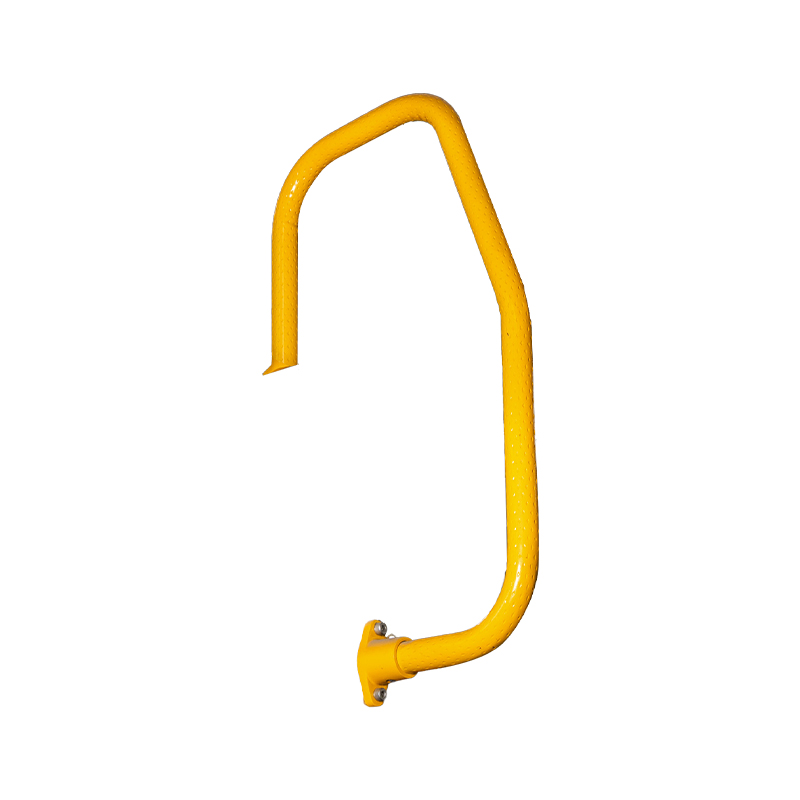
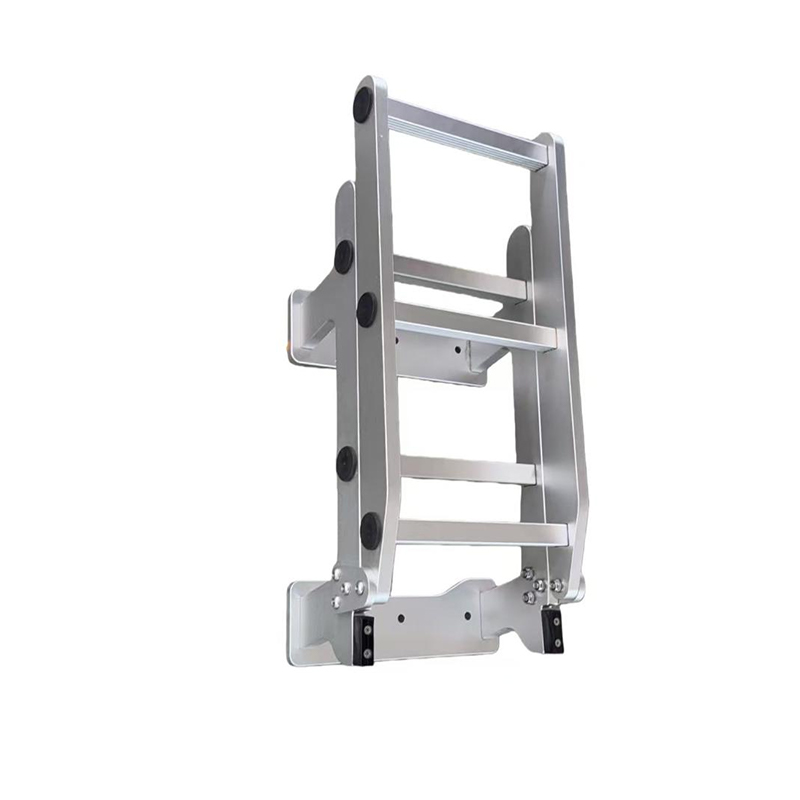
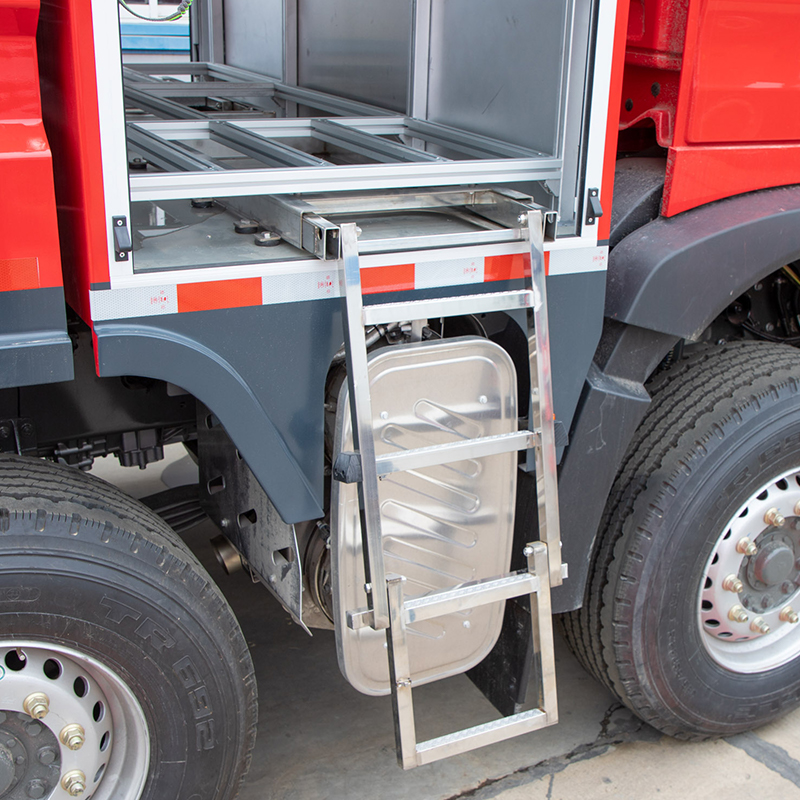
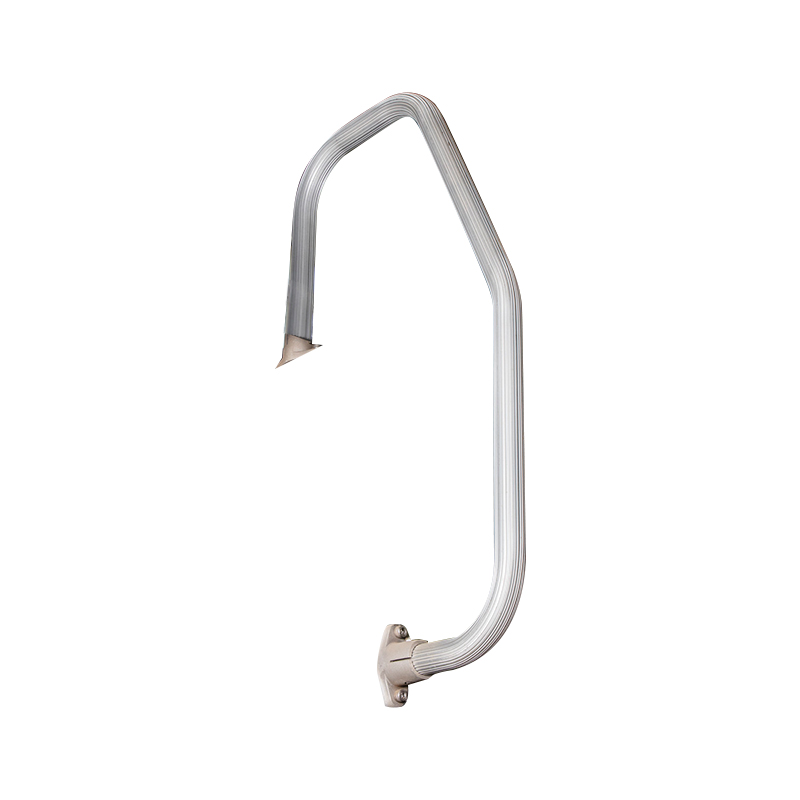
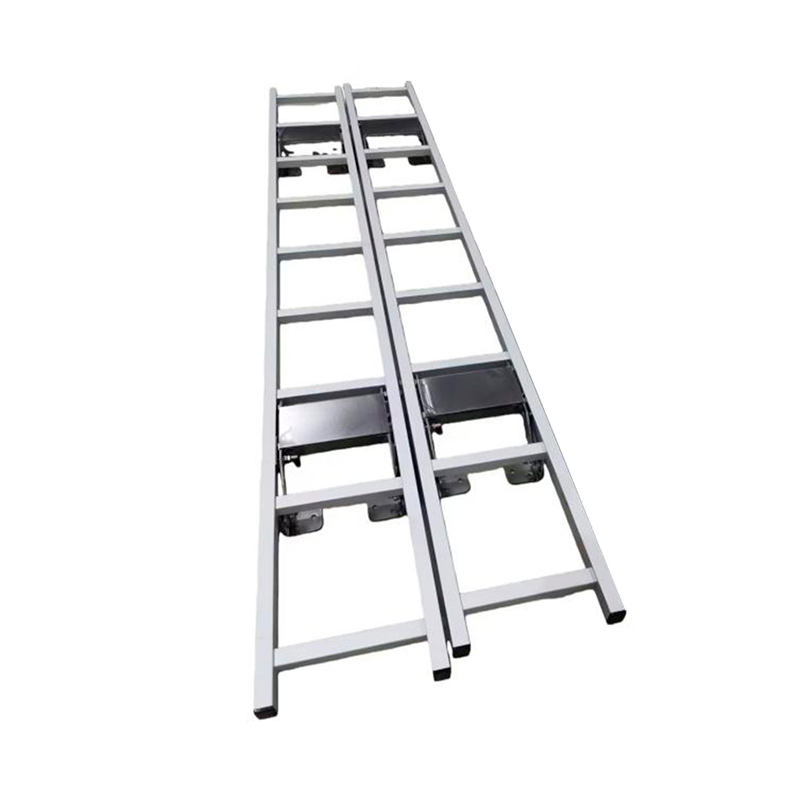
Quick Answer The right fire truck boarding ladder is a fixed, upward-folding, or rotating step assembly mounted at the rear or side of the apparatus that gives firefighters a stable, non-slip surface ...
READ MORE
Fixed Boarding Ladder for Fire Truck Access and Rescue Applications
2026.10.29
Content
- 1 1. The Role of Boarding Ladders in Fire Truck Design
- 2 2. Product Overview
- 3 3. High-Strength Aluminum Alloy Construction
- 4 4. 304 Stainless Steel Fasteners
- 5 5. Two Access Configurations
- 6 6. Advantages Compared with Conventional Boarding Solutions
- 7 7. Applications Across Fire and Rescue Vehicles
- 8 8. Manufacturing Strengths and Quality Control
- 9 9. OEM and ODM Customization
- 10 10. Installation Considerations
- 11 11. Inspection and Maintenance Recommendations
- 12 12. Safety and Operational Practices
- 13 13. Purchasing Advantages for Fleet and Vehicle Manufacturers
- 14 14. Why Material and Process Selection Matter
- 15 15. Frequently Asked Questions
- 15.1 Q1: What is the main purpose of the Fixed Boarding Ladder?
- 15.2 Q2: What material is used for the main frame?
- 15.3 Q3: What material are the fasteners made from?
- 15.4 Q4: Is the ladder available with handrails?
- 15.5 Q5: Can the ladder dimensions be customized?
- 15.6 Q6: Is the product suitable for temporary use?
- 15.7 Q7: Is the ladder heavy to handle and store?
- 15.8 Q8: What information should be provided for a quotation?
- 15.9 Q9: Can the ladder be supplied for OEM or ODM projects?
- 15.10 Q10: What quality management system does the manufacturer use?
- 15.11 Q11: What types of vehicles can use this ladder?
- 15.12 Q12: How should the ladder be maintained?
- 16 16. Recommended Project Evaluation Process
- 17 17. Conclusion
- 18 References
- 19 Product: Fixed Boarding Ladder
Reliable access equipment is an essential part of modern fire and rescue vehicle design. Firefighters, emergency technicians, and maintenance personnel often need to reach elevated platforms, roof areas, equipment compartments, and vehicle-mounted systems quickly and safely. A properly designed boarding ladder provides a practical access solution while contributing to the overall functionality, weight control, and operational efficiency of the vehicle.
The Fixed Boarding Ladder is developed for fire truck boarding, external access, temporary climbing, and a wide range of specialized vehicle applications. Its main frame is manufactured from high-strength aluminum alloy profiles, while the fasteners are made from 304 stainless steel. This material combination provides a useful balance of structural strength, corrosion resistance, low weight, and long-term serviceability.
The ladder is available in two principal configurations: a version with handrails and a version without handrails. This allows vehicle manufacturers, body builders, fleet operators, and emergency service departments to select a configuration that matches the available installation space, access frequency, safety requirements, and intended operating environment.
In addition to its practical design, the product benefits from the manufacturing capabilities of Tianchang Jinlv Fire Equipment Co., Ltd. The company has specialized in fire protection accessories since 2010 and has developed professional expertise in fire truck equipment, access systems, roller shutters, storage components, and related rescue products. Its production system includes advanced facilities, controlled manufacturing procedures, quality management, research and development, and OEM/ODM customization support.
This article examines the construction, performance characteristics, applications, customization options, manufacturing strengths, installation considerations, and purchasing advantages of the Fixed Boarding Ladder.
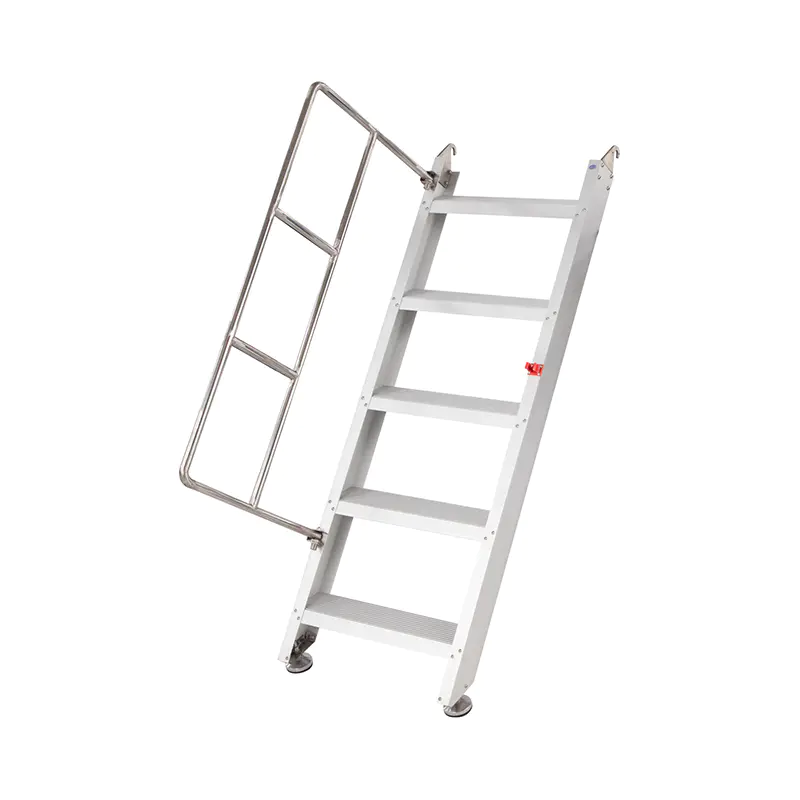
Fixed Boarding Ladder
1. The Role of Boarding Ladders in Fire Truck Design
Fire trucks are designed to carry people, tools, hoses, breathing apparatus, ladders, pumps, extinguishing agents, and other specialized equipment. Because these vehicles often include elevated storage compartments, roof-mounted assemblies, working platforms, and complex body structures, access must be carefully planned. A boarding ladder allows personnel to climb between ground level and an elevated working position without relying on improvised methods.
In emergency situations, access equipment must be straightforward and dependable. Firefighters may work in low visibility, poor weather, heavy protective clothing, or environments where speed is important. A fixed or semi-permanent access ladder can help reduce unnecessary movement around the vehicle and make frequently used areas easier to reach.
Boarding ladders can serve several practical purposes. They may provide access to the fire truck roof, allow personnel to reach elevated equipment, support inspection and maintenance activities, or assist with temporary access at an incident scene. They can also be used on rescue vehicles, service vehicles, utility vehicles, industrial emergency vehicles, and other specialized platforms.
The Fixed Boarding Ladder is designed with this broad application range in mind. It can be used as an external ladder or as a temporary climbing solution, depending on the vehicle layout and operational requirements. Its lightweight construction also makes it easier to handle, transport, store, and integrate into a vehicle body.
2. Product Overview
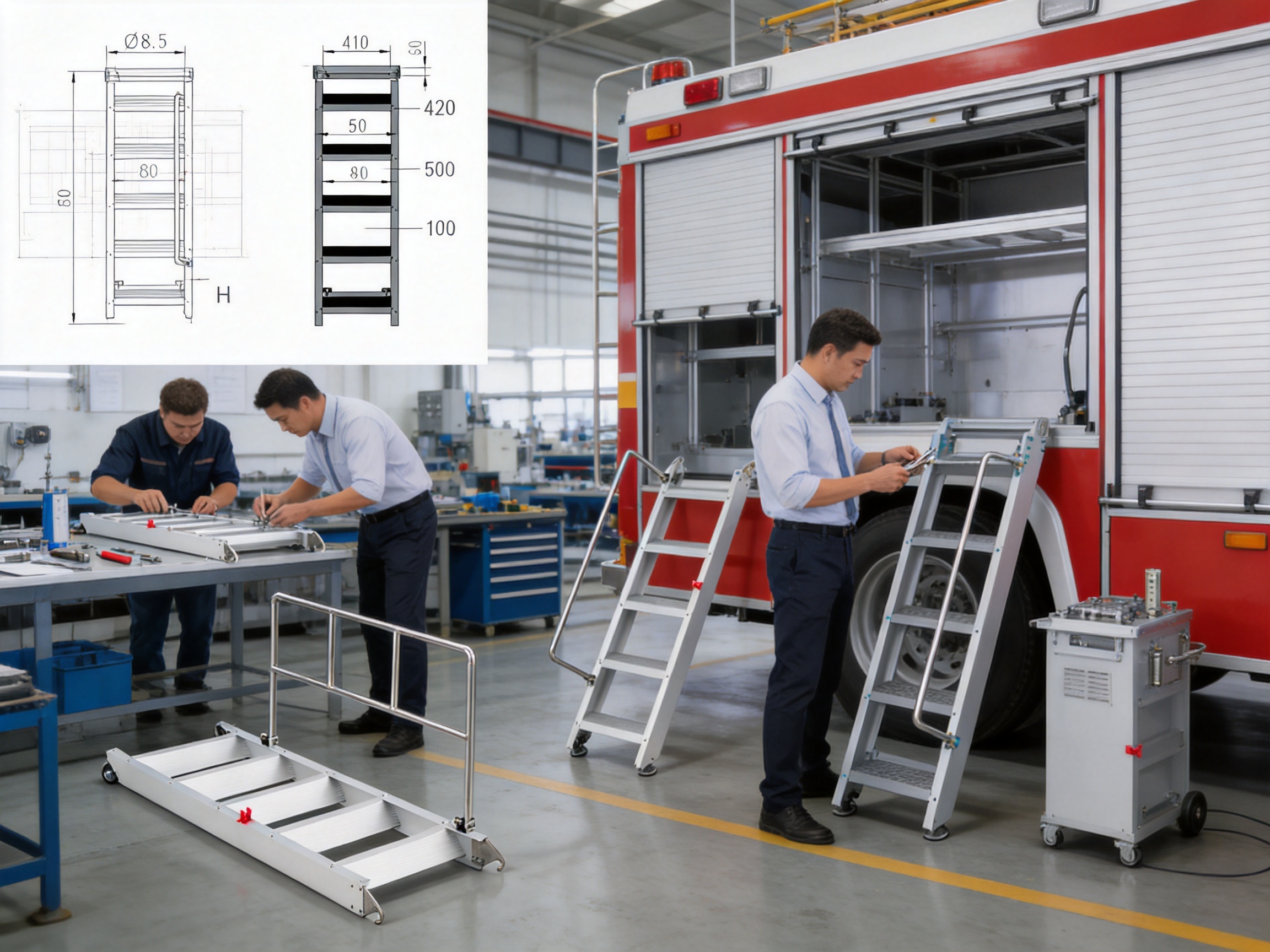
The Fixed Boarding Ladder consists primarily of a high-strength aluminum alloy frame, climbing steps, and fastening components. The frame provides the main structural support, while the steps create a stable route for climbing. Where additional support is required, the ladder can be supplied with handrails. For applications where compactness, unobstructed access, or a lower profile is preferred, the no-handrail configuration may be selected.
The product dimensions are customizable according to customer requirements. The listed width and height are not restricted to a single standard size. Instead, the ladder can be adapted to the available installation position, vehicle body dimensions, access height, storage arrangement, and other project-specific conditions.
This customization capability is important because fire trucks are not all designed according to one uniform body layout. A municipal pumper, airport rescue vehicle, industrial fire truck, command vehicle, and specialized rescue unit may each have different access points. A configurable ladder allows the access solution to be matched to the vehicle rather than forcing the vehicle design to accommodate a rigid, universal component.
| Product Characteristic | Specification or Option | Operational Benefit |
|---|---|---|
| Primary frame material | High-strength aluminum alloy profiles | Low weight, structural performance, and practical handling |
| Fastener material | 304 stainless steel | Improved corrosion resistance and durable assembly |
| Configuration | With handrails or without handrails | Adaptation to different access and space requirements |
| Width | Customizable | Compatibility with different vehicle body layouts |
| Height | Customizable | Accommodation of different climbing distances |
| Application | External or temporary use | Flexible use in fire, rescue, service, and specialty vehicles |
| Storage | Lightweight and easy to store | Convenient handling and efficient vehicle integration |
3. High-Strength Aluminum Alloy Construction
Material selection is one of the most important factors in ladder performance. A boarding ladder must be sufficiently strong for repeated climbing while avoiding unnecessary vehicle weight. The use of high-strength aluminum alloy profiles addresses both requirements.
Compared with many traditional steel constructions, aluminum alloy can offer a favorable strength-to-weight relationship. A lighter ladder is easier to install, reposition, transport, and store. It can also reduce the additional load placed on the vehicle body. For fire apparatus manufacturers, weight management is important because the vehicle must carry substantial quantities of equipment while remaining stable and maneuverable.
Aluminum alloy profiles also support efficient structural design. Profile-based construction can provide consistent sections, clean assembly interfaces, and adaptable dimensions. This is particularly useful when a product must be manufactured in different widths and heights. Instead of relying on a single fixed design, the manufacturer can configure the frame according to the customer’s technical requirements.
The aluminum structure is suitable for demanding service environments in which the ladder may be exposed to moisture, changing temperatures, dust, mud, and routine outdoor use. Although every installation should be evaluated according to its actual environment, aluminum alloy is widely valued in vehicle equipment because of its practical corrosion resistance and low maintenance requirements.
Another advantage is handling convenience. A ladder used for temporary access may need to be removed, stored, or transported by one or more personnel. A lightweight aluminum design is easier to manage than a comparable heavy construction. This can be especially valuable for emergency teams that must organize equipment rapidly at an incident site.
4. 304 Stainless Steel Fasteners
Fasteners are small components, but they play a central role in the safety and service life of an assembled ladder. The Fixed Boarding Ladder uses 304 stainless steel fasteners. This material is selected for its good corrosion resistance, mechanical reliability, and suitability for equipment exposed to outdoor conditions.
Fire trucks regularly operate in environments involving water, foam, road spray, humidity, cleaning chemicals, and temperature changes. Fasteners that corrode quickly may become difficult to inspect, remove, or tighten. Corrosion can also affect joint integrity over time. The use of 304 stainless steel helps provide a more durable connection between the ladder components.
The combination of aluminum alloy profiles and stainless steel fasteners should be considered during installation and maintenance. Proper assembly, suitable contact design, and appropriate inspection practices remain important for all mixed-metal structures. The manufacturing and installation process should ensure that fasteners are correctly seated and tightened according to the project’s engineering requirements.
Using a specified stainless steel fastener material also provides purchasing clarity. Vehicle manufacturers and fleet operators can identify the principal material standard of the hardware rather than receiving an unspecified or inconsistent fastener package. This supports more predictable sourcing, quality control, and maintenance planning.
5. Two Access Configurations
5.1 Version with Handrails
The handrail configuration is intended for applications where additional upper-body support is desirable. Handrails can help users maintain balance while climbing, especially when the ladder is installed at a greater height or used frequently. They may be particularly useful for access to roof areas, elevated platforms, and equipment zones where personnel need to transition from the ladder to another working surface.
Handrails can also support a more confident climbing motion when users are wearing protective clothing or carrying small items. The exact handrail geometry and installation arrangement should be confirmed during the design stage so that the ladder does not interfere with doors, roller shutters, hose reels, lighting equipment, aerial systems, or other vehicle components.
5.2 Version without Handrails
The no-handrail configuration provides a more compact solution. It may be selected where the available space is limited, where the ladder is used only occasionally, or where the vehicle design requires a clean and unobstructed external profile. Removing the handrail structure can also simplify storage and reduce the overall envelope of the product.
This version can be suitable for temporary access arrangements and applications where the vehicle has another nearby support structure. The selection should be based on a complete assessment of climbing height, user movement, installation location, frequency of use, and applicable safety requirements.
5.3 Choosing the Appropriate Configuration
The two configurations allow greater flexibility than a single fixed design. Customers can consider the following factors when selecting a version:
First, the installation height should be reviewed. A higher access point may benefit from additional hand support. Second, the available installation width and surrounding clearance should be measured. Third, the expected frequency of use should be considered. A frequently accessed roof or platform may justify the handrail design, while an occasional service access point may need a more compact arrangement.
Fourth, the movement of personnel and equipment around the ladder should be examined. The ladder should not block vehicle doors, compartments, lights, hose connections, or rescue tools. Finally, the selected configuration should comply with the customer’s internal safety procedures and any applicable vehicle or workplace standards.
6. Advantages Compared with Conventional Boarding Solutions
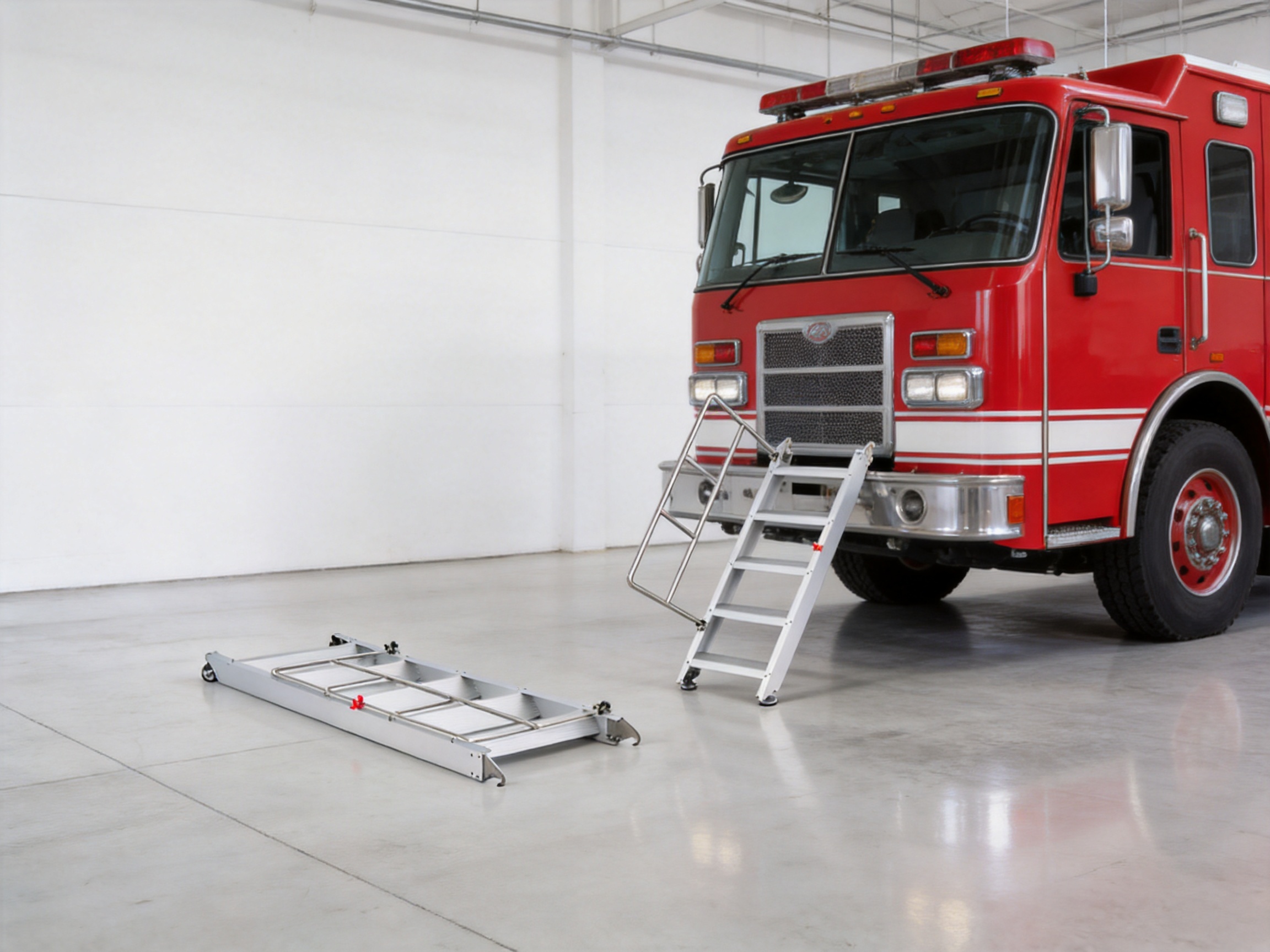
The Fixed Boarding Ladder offers several practical advantages compared with heavy, rigid, or poorly adaptable access solutions. These advantages are especially relevant to manufacturers and operators that require a balance of safety, weight control, customization, and long-term serviceability.
6.1 Lightweight Vehicle Integration
A lightweight aluminum alloy structure can simplify the integration of access equipment into a fire truck body. Reducing component weight is valuable when the vehicle already carries pumps, tanks, hoses, breathing apparatus, tools, and other heavy equipment. A lighter ladder can help preserve the vehicle’s available payload for mission-critical equipment.
Lower weight can also make installation more manageable. Production teams may handle the component more easily during vehicle assembly, while maintenance personnel can remove or adjust it with less effort. For temporary-use applications, the benefit is even more direct because the ladder can be stored and transported more conveniently.
6.2 Customizable Dimensions
Many standard ladders are manufactured in predetermined sizes. While standardized dimensions can be suitable for basic applications, they may create installation compromises on specialized fire vehicles. A ladder that is too tall, too short, too wide, or too narrow may limit access or interfere with surrounding equipment.
The customizable width and height of this product allow customers to develop a better fit for the actual vehicle. This supports body builders that work with different chassis, compartments, roof heights, and equipment layouts. It also makes the ladder suitable for OEM and ODM projects in which the access system must be incorporated into a broader vehicle design.
6.3 Corrosion-Resistant Assembly
The use of 304 stainless steel fasteners provides a durable hardware solution for outdoor vehicle service. When combined with a suitable aluminum frame and correct installation practices, the assembly is designed to withstand routine exposure more effectively than a product using ordinary, unprotected hardware.
6.4 Configuration Flexibility
The availability of handrail and no-handrail versions provides an advantage over products limited to one configuration. Customers can select the design that best matches the intended use rather than modifying an unsuitable product after delivery.
6.5 Easier Storage and Handling
The product is lightweight and easy to store. This is useful for vehicle operators that need to keep access equipment available without consuming excessive compartment space. It is also beneficial for temporary field applications, where equipment may need to be carried from one location to another.
6.6 Support from an Experienced Fire Equipment Manufacturer
A product’s performance depends not only on its basic design but also on the manufacturer’s ability to control materials, dimensions, assembly, inspection, and customer communication. The supplier’s long-term focus on fire protection accessories provides a relevant foundation for producing equipment intended for emergency vehicles and specialized applications.
7. Applications Across Fire and Rescue Vehicles
The Fixed Boarding Ladder is suitable for a wide range of applications. Its principal category is fire truck boarding ladder equipment, but its design can also support other specialized vehicle and industrial access requirements.
7.1 Fire Truck Roof Access
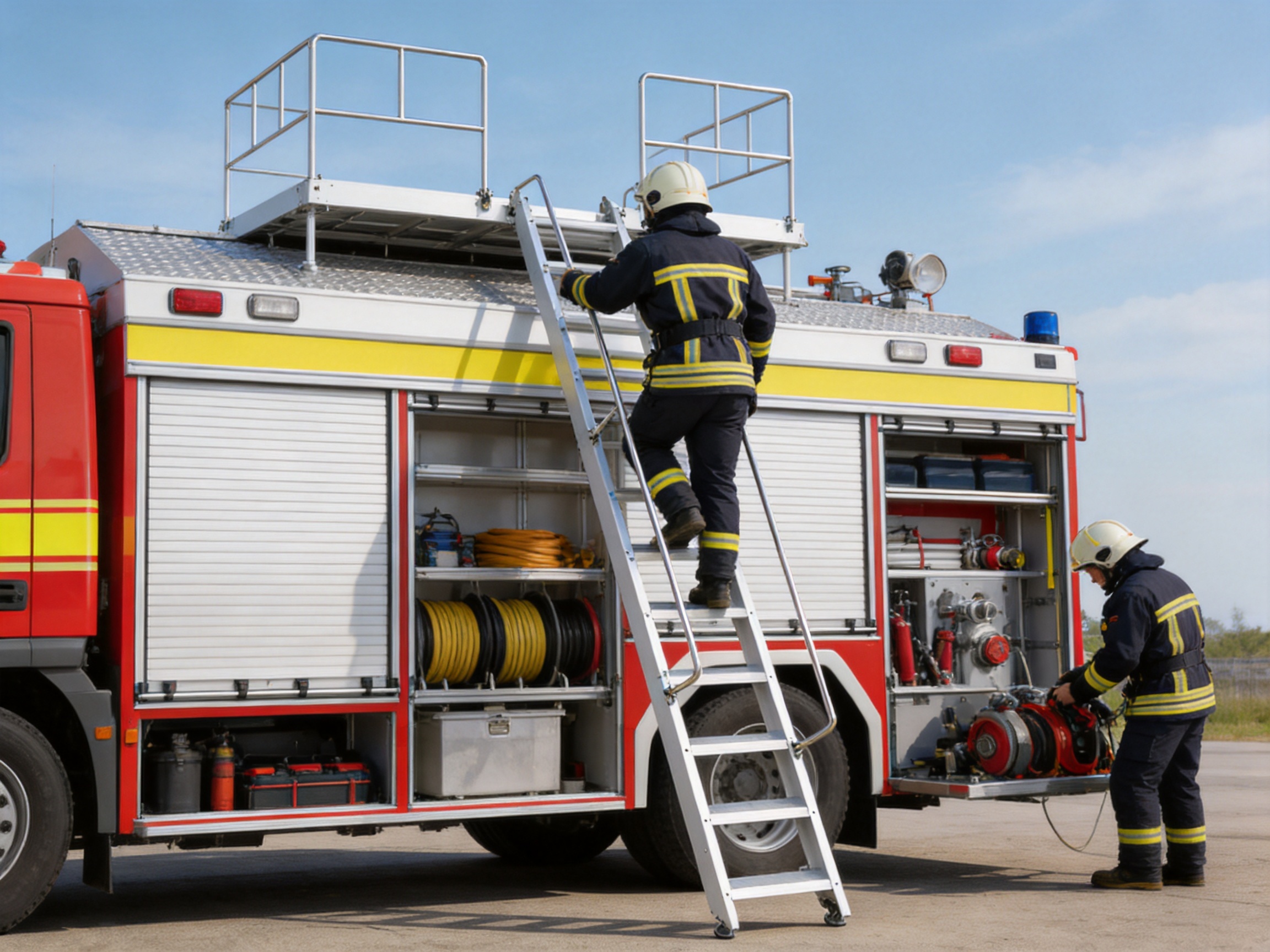
Fire truck roofs may carry ladders, suction hoses, lighting systems, monitors, rescue equipment, or other assemblies. A boarding ladder can provide a more controlled route to these areas for inspection, loading, unloading, and maintenance.
Roof access should always be planned with attention to the roof surface, edge protection, vehicle stability, and the movement of personnel. The ladder’s height and position can be customized to align with the intended boarding point.
7.2 Elevated Equipment Compartments
Some fire apparatus designs include equipment storage areas that are positioned above ground level to improve space utilization. A ladder can help operators reach these locations without depending on portable steps or improvised supports.
When paired with other fire truck storage systems, such as roller shutters and equipment mounting structures, the boarding ladder can contribute to a more organized vehicle layout. The goal is to place equipment efficiently while maintaining safe and practical access.
7.3 Temporary Incident-Site Access
Emergency scenes can involve uneven ground, damaged structures, restricted access routes, and changing operational priorities. A lightweight ladder that is easy to transport and store may be useful as a temporary access tool when a permanent vehicle route is unavailable.
The temporary-use application should be evaluated carefully. Users should position the ladder on a stable surface and follow appropriate operational procedures. The ladder should be used only within its intended design conditions and should be inspected before deployment.
7.4 Rescue and Utility Vehicles
Rescue vehicles, technical response units, airport emergency vehicles, industrial emergency vehicles, and utility service platforms may also require compact external access equipment. The product’s customizable dimensions make it suitable for projects in which the vehicle body differs from a conventional fire truck.
7.5 Maintenance and Service Access
Vehicle maintenance teams often need to reach elevated lights, roof equipment, ventilation systems, storage compartments, and auxiliary components. A dedicated boarding ladder can reduce the need for separate portable access equipment and support more consistent service procedures.
8. Manufacturing Strengths and Quality Control
The Fixed Boarding Ladder is supported by the manufacturing capabilities of Tianchang Jinlv Fire Equipment Co., Ltd., a company established in 2010 and focused on fire protection accessories. Its product range includes fire truck roller shutters, equipment stowage and mounting systems, boarding ladders, ladder racks, handrails, fire-fighting nozzles, hose cannons, demolition tools, SCBA equipment, cab doors, and plastic tool components.
This product specialization is significant because fire truck components must function as part of a larger vehicle system. A manufacturer that understands storage, access, mounting, and emergency equipment can better evaluate how a boarding ladder interacts with adjacent components. This broader product knowledge can support more effective customization and technical communication.
8.1 Controlled Raw Material Procurement
The company states that it controls the production process from raw material procurement through final product delivery. For a boarding ladder, this includes attention to the aluminum alloy profiles, stainless steel fasteners, and other components used in the assembly.
Controlled procurement helps ensure that the selected materials are consistent with the product requirements. It also supports more stable production when customers order multiple ladders for a fleet or recurring vehicle program.
8.2 Complete Production Process
The company is equipped with advanced production facilities and a complete production process. A complete process is important for products with customizable dimensions because different customer orders may require different cutting, forming, drilling, assembly, finishing, and inspection steps.
Process control can reduce variation between batches and improve the repeatability of customized products. It also allows the manufacturer to coordinate design confirmation, material preparation, component production, assembly, and delivery in an organized sequence.
8.3 Quality Management Certification
The company has passed GB/T 19001-2016 quality certification. This quality management framework indicates the presence of a structured approach to process management, customer requirements, documentation, corrective action, and continuous improvement.
Certification does not remove the need for product-specific inspection or correct installation, but it gives customers an additional basis for evaluating the supplier’s management system. For fire truck manufacturers and international buyers, a documented quality process can support supplier qualification and project traceability.
8.4 Research and Development Capability
The company maintains a professional research and development team with industry experience. Its stated approach includes following market trends, investing in research and development, introducing advanced technologies, and developing fire protection equipment for different application scenarios.
For a boarding ladder, research and development can involve improving weight distribution, adapting dimensions, refining handrail arrangements, optimizing assembly, and coordinating the product with different vehicle layouts. The ability to develop customized solutions is especially valuable for OEM and ODM customers.
8.5 Production Efficiency and Cost Control
Efficient production and scientific manufacturing processes can help stabilize quality and reduce unnecessary costs. This benefits customers that need reliable products at a competitive price, especially when purchasing equipment for multiple vehicles.
Cost effectiveness should not be considered only as the lowest initial purchase price. A better evaluation includes material durability, ease of installation, maintenance needs, storage efficiency, customization accuracy, and the supplier’s ability to provide consistent replacement or repeat-order support.
9. OEM and ODM Customization
Fire apparatus manufacturers frequently require components adapted to their own vehicle designs. The Fixed Boarding Ladder supports this requirement through customizable width and height. Customers can communicate the desired dimensions and installation conditions during the quotation and technical confirmation process.
OEM projects may require the ladder to conform to a defined vehicle brand, body design, or production program. ODM projects may involve a more collaborative development process in which the manufacturer contributes design and engineering support. In both cases, early technical communication is essential.
Customers should provide the following information whenever possible:
The first item is the required climbing height, measured from the intended lower standing position to the upper access point. The second is the available width and clearance around the installation area. The third is the preferred configuration, with or without handrails. The fourth is the mounting position and the location of nearby doors, compartments, lights, hoses, and tools.
Customers should also identify the expected operating environment, frequency of use, storage arrangement, surface condition, and any internal or external standards that apply to the vehicle. Photographs, drawings, dimensional sketches, and three-dimensional vehicle data can help the manufacturer evaluate the proposed design more efficiently.
| Customer Information | Why It Matters |
|---|---|
| Required ladder height | Determines the climbing distance and upper access alignment |
| Required ladder width | Supports comfortable use and vehicle-space compatibility |
| Handrail preference | Defines whether additional climbing support is required |
| Mounting location | Helps coordinate the ladder with doors, shutters, tools, and lighting |
| Vehicle type | Provides context for body structure and operational use |
| Operating environment | Supports suitable material, finish, and maintenance planning |
| Quantity and delivery schedule | Supports production planning and consistent fleet supply |
10. Installation Considerations
Correct installation is essential to the performance of any boarding ladder. The ladder should be mounted to a sufficiently strong vehicle structure capable of transferring the intended loads. The mounting points should be checked for alignment, accessibility, and clearance before final assembly.
The installation area should be free from interference with vehicle doors, roller shutters, compartment handles, hose connections, warning lights, mirrors, ladders, and other equipment. The ladder should not create an avoidable obstruction for drivers, passengers, firefighters, or maintenance personnel.
Where the ladder is installed externally, the design team should consider exposure to road spray, rainwater, mud, cleaning operations, and accidental impact. Drainage, cleaning access, and inspection access should be incorporated into the installation plan where appropriate.
The handrail configuration requires additional attention to the upper transition area. Users should be able to move from the ladder to the elevated platform without awkward twisting or excessive reaching. The surrounding platform should be stable and should provide an appropriate landing area.
For the no-handrail version, the installation team should confirm that the intended access route is suitable for the operating conditions. If users must climb while carrying equipment or wearing bulky protective clothing, the available support and clearance should be reviewed carefully.
All fasteners should be installed correctly and checked after initial use. Inspection intervals can be established according to the vehicle operator’s maintenance program, the frequency of ladder use, and the environmental conditions.
11. Inspection and Maintenance Recommendations
A boarding ladder is a safety-related access component and should be inspected regularly. Routine inspection does not need to be complicated, but it should be systematic and documented as part of the vehicle maintenance program.
Users should check the aluminum frame for visible bending, cracks, severe dents, deformation, or other damage. The climbing steps should be examined for looseness, excessive wear, contamination, or conditions that could reduce secure footing. The handrails, when fitted, should be checked for movement, damage, or loose connections.
The 304 stainless steel fasteners should be inspected for looseness, missing components, damage, or signs of abnormal corrosion. Although stainless steel offers good corrosion resistance, it should still be kept clean and checked because environmental exposure, mechanical damage, or contact with incompatible materials can affect the assembly.
The mounting interface between the ladder and the vehicle should be inspected for movement, distortion, cracks, and signs of stress. If the ladder is involved in an impact or is subjected to an unusual load, it should be removed from service until it has been evaluated by qualified personnel.
Cleaning should be performed using methods appropriate for aluminum alloy, stainless steel, and the vehicle’s surface finishes. Abrasive tools and unsuitable chemicals should be avoided unless approved by the responsible maintenance team. After cleaning, the ladder should be allowed to dry and should be checked for accumulated dirt around joints and mounting points.
Maintenance requirements may vary according to the actual design, use, and environment. The final maintenance schedule should be established by the vehicle manufacturer or operator based on a suitable risk assessment.
12. Safety and Operational Practices
The ladder should be used only for its intended access purpose. Personnel should face the ladder while climbing and maintain secure contact whenever possible. Users should avoid jumping onto or off the ladder, climbing while carrying oversized objects, or using the ladder when it is visibly damaged.
Before use, the operator should confirm that the ladder is properly installed, that the surrounding area is clear, and that the climbing surfaces are not covered with oil, mud, ice, foam, or other slippery substances. In emergency environments, these checks may need to be completed rapidly, but they should not be ignored.
When a temporary ladder is removed from storage and positioned at an incident site, the ground conditions should be evaluated. Soft, uneven, unstable, or obstructed ground may create additional risk. The ladder should be positioned and supported according to the operating procedure established for the specific application.
The choice between the handrail and no-handrail configuration should be based on the intended use rather than appearance alone. Where personnel frequently climb to elevated areas, handrails may provide valuable support. Where compactness and storage efficiency are the primary objectives, the no-handrail model may be more appropriate.
Training is also important. Firefighters and maintenance personnel should understand how the ladder is intended to be used, where it is located, how it is stored, and which conditions require it to be removed from service.
13. Purchasing Advantages for Fleet and Vehicle Manufacturers
For fire truck manufacturers, purchasing departments, and fleet operators, the Fixed Boarding Ladder offers a combination of product flexibility and supplier support. The customizable dimensions can reduce the need for complex field modifications. The two configuration options simplify product selection for different vehicle platforms.
The aluminum alloy frame helps support vehicle weight management, while 304 stainless steel fasteners provide a clearly defined hardware choice. The product’s lightweight design also helps with logistics, storage, and installation handling.
For fleet projects, supplier consistency is important. A manufacturer with a complete production system can provide repeated products with controlled specifications across multiple orders. This can simplify spare parts planning, maintenance training, and standardization between vehicles.
For international customers, OEM/ODM support and technical communication are important factors. A supplier that can work from drawings, measurements, and application requirements is better positioned to support customized vehicle projects than a supplier that only offers a fixed catalog item.
The company’s broader range of fire truck accessories can also simplify sourcing. Customers that need boarding ladders together with roller shutters, storage components, ladder racks, handrails, nozzles, or other fire apparatus equipment may benefit from coordinating multiple products with one specialized manufacturer.
14. Why Material and Process Selection Matter
The performance of a boarding ladder is the result of several connected decisions. The frame material affects weight, strength, corrosion behavior, and manufacturing flexibility. The fastener material affects joint durability and maintenance. The dimensions affect compatibility with the vehicle. The configuration affects user support and storage requirements. The manufacturing process affects consistency and delivery reliability.
Choosing only one feature in isolation may not produce the best result. For example, a very strong ladder that adds excessive weight may reduce vehicle efficiency. A very light ladder with poor joint construction may not provide adequate service reliability. A fixed-size ladder may be well manufactured but difficult to integrate into a customized vehicle.
The Fixed Boarding Ladder is designed as a balanced solution. It combines high-strength aluminum alloy profiles, 304 stainless steel fasteners, two access configurations, customizable width and height, and a design suitable for external or temporary use. The manufacturer’s quality management, production capabilities, and research and development support strengthen this product approach.
15. Frequently Asked Questions
Q1: What is the main purpose of the Fixed Boarding Ladder?
The ladder is designed to provide access to elevated areas of fire trucks and other specialized vehicles. It may be used as an external ladder, for temporary access, for equipment inspection, or for reaching roof-mounted and elevated vehicle systems.
Q2: What material is used for the main frame?
The main frame is constructed from high-strength aluminum alloy profiles. This supports a lightweight structure while providing practical strength for vehicle access applications.
Q3: What material are the fasteners made from?
All fasteners are made from 304 stainless steel. This material offers good corrosion resistance and supports durable assembly in outdoor vehicle environments.
Q4: Is the ladder available with handrails?
Yes. The ladder is available in two styles: with handrails or without handrails. The choice depends on the available space, climbing height, frequency of use, and desired level of hand support.
Q5: Can the ladder dimensions be customized?
Yes. The width and height can be customized according to customer requirements. Customization helps the ladder fit different vehicle bodies, access points, and equipment arrangements.
Q6: Is the product suitable for temporary use?
Yes. The product can be used as an external ladder or for temporary access. Temporary applications should be evaluated for ground stability, installation conditions, user movement, and applicable safety procedures.
Q7: Is the ladder heavy to handle and store?
The product is designed to be lightweight and easy to store. Its aluminum alloy construction supports convenient handling, transportation, installation, and storage compared with heavier conventional structures.
Q8: What information should be provided for a quotation?
Customers should provide the required width and height, vehicle type, mounting position, handrail preference, surrounding clearance, application environment, order quantity, and delivery requirements. Drawings or photographs can help confirm the design.
Q9: Can the ladder be supplied for OEM or ODM projects?
Yes. The manufacturer provides OEM/ODM customization support. Customers can discuss dimensions, configuration, installation conditions, and other project requirements with the technical team.
Q10: What quality management system does the manufacturer use?
The company has passed GB/T 19001-2016 quality certification and states that it controls the process from raw material procurement through final product delivery.
Q11: What types of vehicles can use this ladder?
The main application is fire truck access, but the ladder may also be suitable for rescue vehicles, industrial emergency vehicles, service vehicles, utility vehicles, and other specialized platforms, subject to project-specific evaluation.
Q12: How should the ladder be maintained?
Operators should regularly inspect the frame, steps, handrails, fasteners, and vehicle mounting points. The ladder should be kept clean, checked for damage or looseness, and removed from service if it is deformed or otherwise compromised.
16. Recommended Project Evaluation Process
A structured evaluation process can help customers select the correct ladder configuration. The first stage is to identify the intended access point and measure the vertical distance. The second stage is to examine the surrounding vehicle body and determine the available width and clearance.
The third stage is to decide whether handrails are required. This decision should consider the height, access frequency, user clothing, equipment carried during climbing, and available support at the upper platform. The fourth stage is to confirm the mounting structure and fastening arrangement.
The fifth stage is to review the production drawing or technical confirmation document. Dimensions, materials, configuration, mounting points, and finish expectations should be agreed before manufacturing. The sixth stage is inspection after production and again after installation on the vehicle.
This process supports communication between the vehicle manufacturer, equipment supplier, engineering team, and end user. It also reduces the possibility of interference with other vehicle components and helps ensure that the final product meets the actual operational need.
17. Conclusion
The Fixed Boarding Ladder is a practical access solution for fire trucks and specialized vehicles requiring reliable external or temporary climbing equipment. Its high-strength aluminum alloy frame provides a useful combination of light weight and structural performance, while 304 stainless steel fasteners support durable assembly and corrosion resistance.
The availability of handrail and no-handrail configurations allows the product to serve different access conditions. Customizable width and height make it easier to integrate the ladder into varied vehicle body designs, equipment layouts, and elevated access points. Its lightweight construction also supports convenient handling, storage, logistics, and installation.
Beyond the product itself, the manufacturer offers the advantages of focused industry experience, advanced production facilities, a complete manufacturing process, GB/T 19001-2016 quality certification, professional research and development, and OEM/ODM customization support. These capabilities are valuable for fire truck manufacturers, emergency service fleets, industrial operators, and international buyers seeking stable, adaptable, and cost-effective fire apparatus equipment.
When properly selected, installed, inspected, and maintained, the Fixed Boarding Ladder can contribute to safer access, better equipment organization, and more efficient operation of fire and rescue vehicles. Its combination of material quality, configuration flexibility, dimensional customization, and manufacturing support makes it a competitive choice for modern fire truck access applications.
References
1. GB/T 19001-2016, Quality Management Systems — Requirements.
2. General principles of fire apparatus design, access planning, and emergency vehicle equipment integration.
3. General guidance for inspection, maintenance, and safe use of vehicle-mounted ladders and access equipment.
4. Product information supplied for the Fixed Boarding Ladder, including material, configuration, application, and customization details.
5. Manufacturer information concerning fire protection accessory production, OEM/ODM services, quality management, research and development, and manufacturing processes.
6. General engineering principles for aluminum alloy structures, stainless steel fasteners, and corrosion-conscious equipment assembly.
Product: Fixed Boarding Ladder
News
-
-
Two minutes into a working fire, a crew stands in front of a locked steel security door with a crowbar that is too short to pull with both hands. Nothing about the tool is broken. It was simply speci...
READ MORE -
Three rungs up the rear of a pumper, a firefighter in wet gloves misses the grab and catches the handrail instead. Whether that rail holds was decided months earlier, at the bench: by tube wall thick...
READ MORE -
Key Takeaway The right fire truck boarding ladder comes down to matching the mounting style, ground clearance, and material to your truck class: fixed ladders suit trucks with no clearance limits, f...
READ MORE -
Fire truck ladder racks are roof-mounted storage and deployment systems that hold ground ladders securely in transit and let firefighters lower them to the side or rear of the apparatus in seconds. ...
READ MORE -
Specification meetings usually park the ladder rack near the bottom of the option sheet, a few lines above the license plate bracket. That is also why ladder racks become the complaint in year three:...
READ MORE
Hey! Interested in staying in the loop? Sign up for our updates.
WE WON'T SPAM YOU, PINKY PROMISE.

Tianchang Jinlv Fire Equipment Co., Ltd.
Copyright © Tianchang Jinlv Fire Equipment Co., Ltd. All rights reserved. Custom Fire Truck Equipment Supplier Fire Apparatus Parts Factory
